Comforters are bedding layers designed to provide warmth and a soft, even covering during sleep. Their insulation, weight, and breathability influence how comfortable they feel across seasons. Choosing a comforter involves considering room temperature, personal warmth preferences, sleeping habits, and how it will coordinate with sheets and pillows.
Comforter construction affects warmth and airflow. Fill may be natural or synthetic, while the outer fabric influences softness and durability. Lightweight, breathable materials can help limit heat buildup, whereas fuller insulation may suit cooler conditions. Care instructions, construction quality, and the comforter’s dimensions are also useful factors to assess.
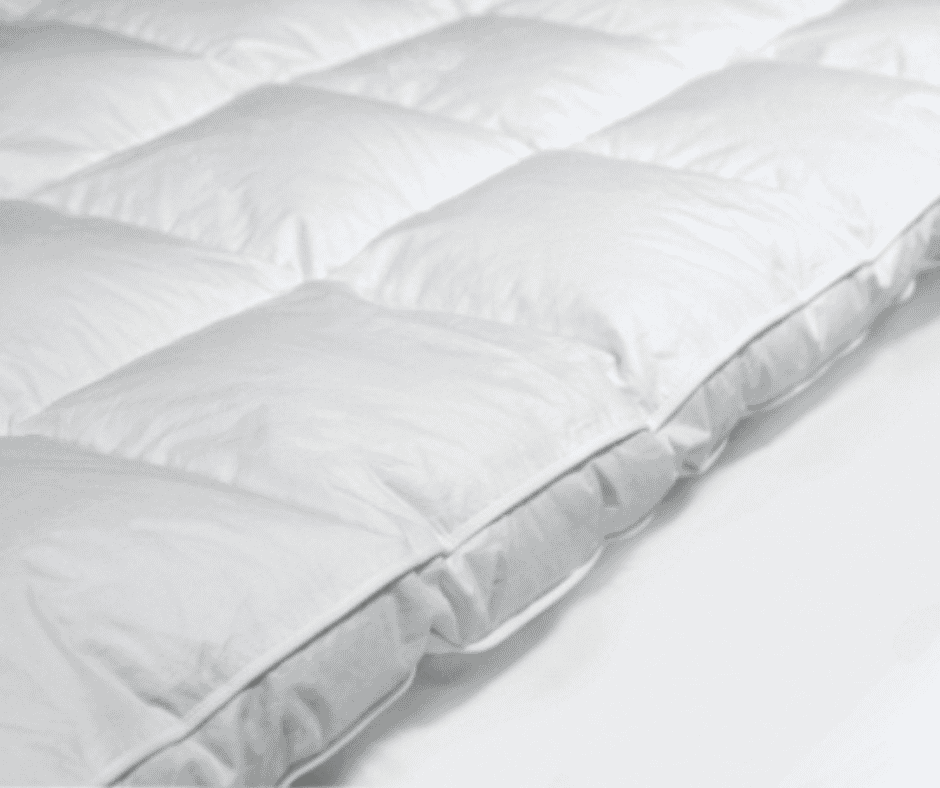
Hypodown® Bed is described as best for elevating a mattress with breathable, full-body comfort. Its bed-focused design can add a cushioned layer beneath the sleeper, offering a different function from a conventional comforter, which rests above the body. Understanding this distinction helps clarify how bedding components work together.
A coordinated bedding setup may include a mattress, comforter, sheets, and pillows, each serving a separate purpose. Hypodown® Bed can contribute a soft, breathable foundation, while sheets provide a washable surface and pillows support the head and neck. Layering these elements allows sleepers to adjust comfort to their needs.
Material preferences can also guide bedding decisions. People seeking options with a focus on natural materials may compare conventional bedding with organic mattresses or organic crib mattresses, considering certifications, care requirements, and intended use. Comforters should be selected for appropriate sizing, insulation, and maintenance so they remain practical within a complete bedding arrangement.
 Bedding