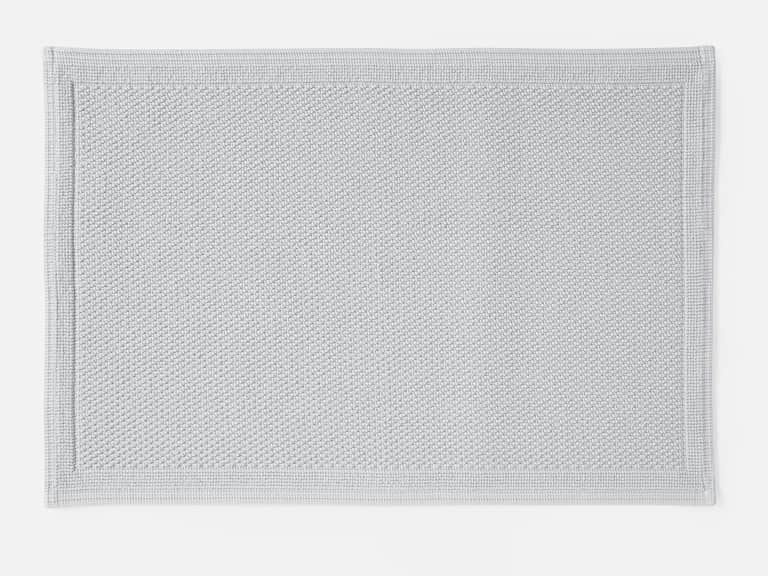
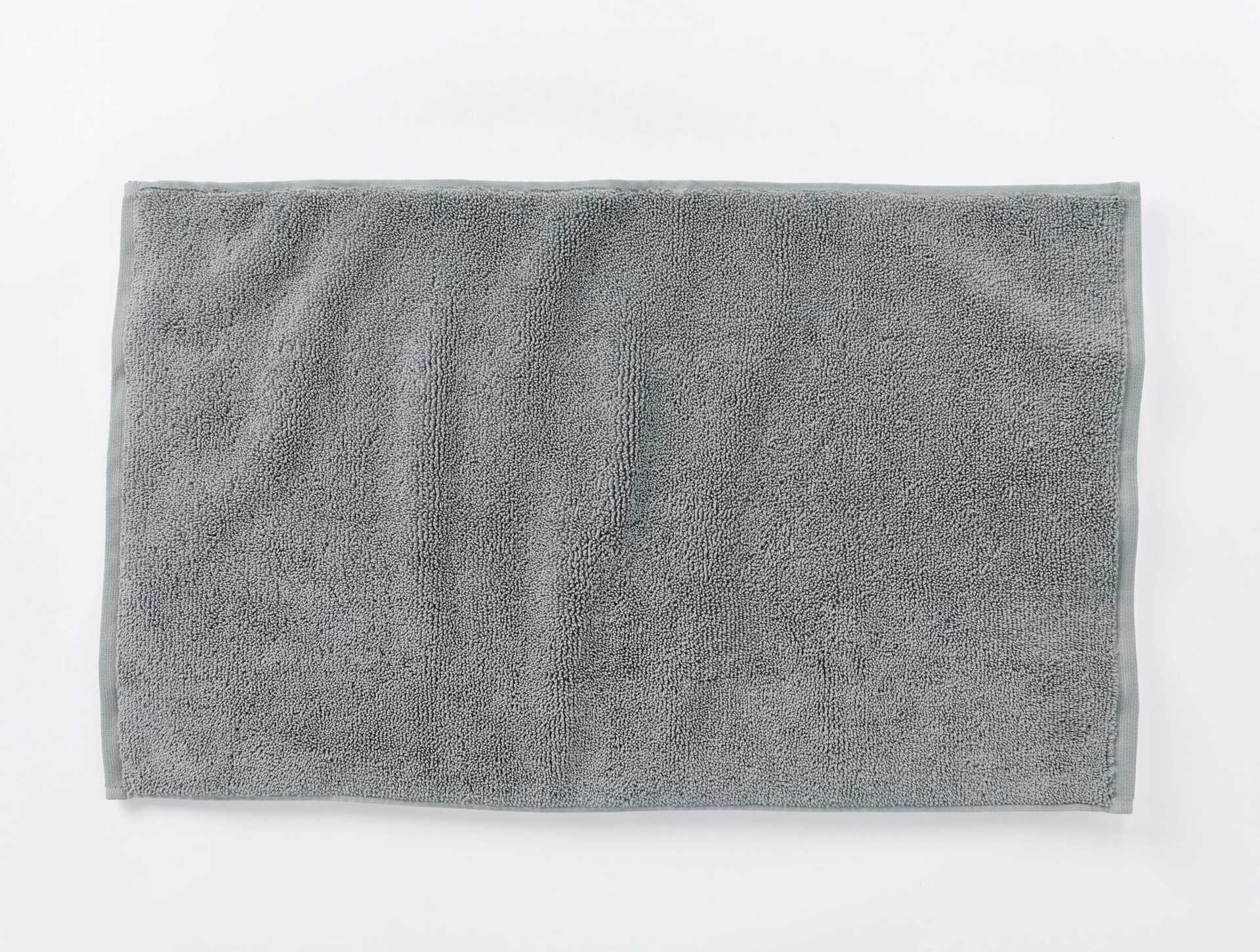
Calistoga Bath rug
Soft, breathable bath rug that dries comfortably and feels plush underfoot, with balanced absorbency from 50/50 linen and cotton—perfect with the Simi line for a fresh, easy-care spa-like experience.
A guide to transforming a standard bathroom into a retreat of calm, informed by principles of hydrotherapy, safety, and thoughtful design. From warm water rituals to moisture-aware lighting and acoustics, this article outlines practical steps to boost relaxation and sleep quality in everyday spaces. Read with a critical eye for evidence-based practices, and enjoy curated touches like the Calistoga Bath rug to ground the experience in tactile luxury.
Hydrotherapy leverages the therapeutic properties of water—temperature, buoyancy, and hydrostatic pressure—to ease muscle tension, promote circulation, and calm the nervous system. Warm water, typically in the range of 37–40°C (98–104°F), can help relax stiff joints and foster a sense of safety and enclosure. Buoyancy reduces weight-bearing stress, enabling longer, more comfortable stretches of rest without strain. Gentle, rhythmic immersion creates subtle sensory cues that signal safety to the brain, helping to reduce perceived threat and facilitate sleep-ready states.
Beyond temperature, the duration and cadence of your bath routine matter. Shorter, frequent sessions can be as beneficial as longer soaks when paired with mindful breathing and post-immersion cooling periods. The science behind hydrotherapy supports a practical takeaway: consistency matters. Design your bath rituals to be repeatable and safe, rather than overwhelming or overly complex.
Any bath routine should prioritize safety in wet environments. Use non-slip mats, secure grab bars if needed, and keep essential items within easy reach. If you’re introducing essential oils, choose high-quality, skin-safe options and dilute them appropriately to avoid irritation or sensitization. Always test a small area of skin before full immersion and follow manufacturer guidance for bath accessories and devices. For households with children or mobility limitations, simplification and supervision are key.
Humidity management is another crucial safety design factor. Excess moisture can foster mold growth and create slippery surfaces. A well-ventilated bathroom, modest but sufficient moisture removal, and a mild dehumidifying approach help maintain a healthier microclimate during and after hydrotherapy sessions.
Transforming a bathroom into a spa-like retreat hinges on attention to detail. Prioritize soft, diffuse lighting to reduce visual noise and create a cocoon of calm. Layered lighting—overhead ambient, task lighting near mirrors, and a dimmable glow around the tub—helps set nuanced moods and supports a sleep-friendly environment as evening approaches.
Textures matter. Natural materials, tactile linens, and carefully chosen textiles evoke warmth and comfort while enhancing moisture management. A well-chosen bath rug, such as the Calistoga Bath rug, offers an earthy, breathable surface beneath your feet, balancing absorbency with a breathable feel that complements a spa aesthetic.
Acoustic considerations should not be overlooked. Soft surfaces—bath mats, plush towels, and fabric panels—absorb echo, reduce noise from running water, and contribute to a soothing soundscape that supports restful states.
Incorporating curated items can elevate a home-spa experience without becoming commercial. The Calistoga Bath rug, crafted from a 50/50 linen-cotton blend, offers a balanced mix of absorbency and airiness. Its material composition is designed to remain comfortable even after repeated wash cycles, making it a practical touch for a spa-inspired bathroom. If you’re pairing this rug with a broader bath linen set, aim for consistency in color and texture to maintain a cohesive sanctuary feel.
Other textiles, such as cloud-soft bath mats and organic cotton towels, can further anchor the spa atmosphere. When selecting textiles, consider GOTS-certified options for environmental responsibility and skin-friendly fibers that align with wellness goals.
Note: The Calistoga Bath rug is shown here as a reference touchstone; product images will be displayed to illustrate texture and scale when available.
Hydrotherapy as a home practice is not a replacement for medical treatment but a complementary approach to daily relaxation and sleep hygiene. Hydration, hydration rituals, and temperature-based cues can influence autonomic balance, helping the body transition from wakefulness to rest. In the home, a bath is not merely cleansing—it is a deliberate act of self-care, a ritual that signals to the nervous system that the day’s tempo can slow down and safety can proceed unimpeded.
Evidence-informed routines can be crafted around a few core themes: gradual warmth, mindful breathing, and a quiet, launchpad-to-sleep. In the following sections, we outline practical routines, safety considerations, and design elements that support spa-like baths while remaining accessible to a wide range of households.
Across centuries and continents, bath rituals have carried cultural, philosophical, and practical weight. Consider three figures who, in distinct eras, reflected humanity’s enduring fascination with cleansing, immersion, and renewal:
These voices remind us that a spa-quality bath is not a novelty but a continuation of a long human tradition: using water, warmth, and space to foster recovery, serenity, and better sleep.
Below are adaptable, evidence-informed routines designed to be repeatable and safe in most households. Each routine centers on a warm bath, but you can adjust temperature and duration to your comfort level and any medical guidance you follow. The aim is a consistent habit that signals relaxation and supports sleep continuity.
For longer-term routines, consider pairing a bath with light journaling or a brief mindfulness exercise. If you enjoy a post-bath skincare routine, choose fragrance-free products to avoid irritants while preserving skin barrier integrity.
Transforming a bathroom into a spa-quality space is less about luxury and more about intention. The ritual of a considered bath—balanced with safety, moisture awareness, and calming design—can anchor your evenings in a rhythm that supports sleep, mood, and well-being. By grounding our bath practices in principles of hydrotherapy, we nurture environments that nurture us back, a quiet reaffirmation of self-care as an essential daily act.
This article draws on the themes of hydrotherapy, home spa ideas, bath routines, and bathroom design for relaxation. It references textiles and bath accessories such as the Calistoga Bath rug to illustrate how texture and material choices influence a spa-like atmosphere. All guidance is intended to be informational and safety-minded, without commercial solicitation.